How to Get Better at Browser Games: 7 Habits That Actually Work
Struggling to improve at browser games? These seven practical habits — from managing speed to reading your mistakes — apply to every game on Gameszest.
Getting better at games is mostly about habits, not talent. The players who improve fastest are not the ones with the quickest reflexes — they are the ones who approach each session with intention. Here are seven habits that work across almost every browser game, from puzzle games to action games.
1. Play the Same Game Three Times Before Switching
The biggest mistake casual players make is jumping between games before giving any single game enough time to click. The first session of any game is spent learning controls. The second session is spent making fewer basic mistakes. The third session is when you actually start playing.
If a game seems difficult or boring, give it three full sessions before deciding it is not for you. Most of the time the feeling changes dramatically by session three.
2. Notice What Killed You, Not Just That You Died
After a run ends — in 3D Snake, 3D City Runner, an archery round — spend two seconds identifying the specific cause. Was it a hasty turn? A misread gap? Not a general “I played badly,” but the exact decision that ended the run. Players who name the mistake fix it. Players who just retry without reflection repeat it.
3. Slow Down When the Game Lets You
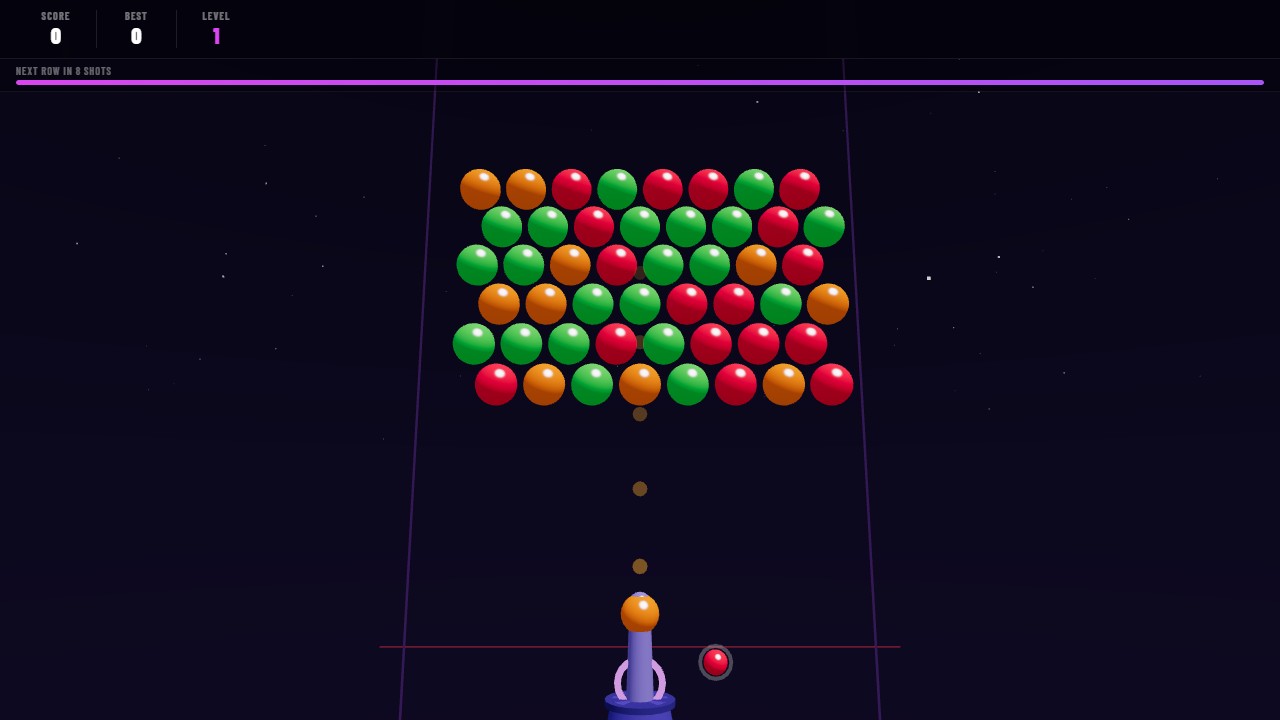
In turn-based games like 3D Chess, you have unlimited time. In puzzle games like Block Puzzle, the piece is still falling but not at maximum speed yet. Use it. Players who rush through every decision when they have time to think are leaving their most powerful tool unused.
Speed matters in reflex games. It does not matter in strategy games. Know which one you are playing.
4. Learn One New Technique Per Session
Rather than trying to fix everything at once, choose one specific technique to work on per session. In chess: today I will focus on not leaving pieces undefended. In drift racing: today I will practice holding the handbrake through the whole corner. One target at a time is how skills actually consolidate.
5. Play Without Distractions for at Least Five Minutes
Split attention is the enemy of improvement. A browser game played with one eye on another tab produces the same result every time: shallow play that never improves. Five focused minutes beats thirty distracted ones.
If you are playing casually while doing something else, that is fine — but do not confuse that with practice. They are different activities.
6. Use the Beginner Phase to Build Good Habits
When you first start a game, you are free-styling — doing whatever feels natural. This is the worst time to let bad habits form, because they calcify quickly. Read the guide, play deliberately, and establish the right foundation before speed takes over.
Bad habits formed in the first few sessions take ten sessions to unlearn. Good habits formed early become permanent.
7. Stop When You Are Not Enjoying It
This one sounds obvious, but it matters. Playing a game when you are tired or frustrated produces no improvement and no enjoyment. The session where you slam down the keyboard and click away is the session where nothing was learned.
The best sessions are the ones you stop while you are still engaged. Leave wanting more rather than leaving because you burned out.
These habits apply whether you are playing 3D Chess, Block Puzzle, 3D Snake, or any other game on the site. The mechanics change; the principles do not.